Take the Jump

I did not really know what I was getting into.
Early this year a notice about Goldman Sachs 10,000 Small Businesses turned up in front of me. I could not tell you now where I saw it.
I applied anyway. I interviewed. And then I sat there and explained out loud the parts of my business I needed help with, which is a humbling thing to do when you are used to being the person everybody else brings their problems to.
Then I almost talked myself out of going.
The timing was terrible. Time away from clients. Missing meetings on the days my busiest clients meet. Being unavailable to people who count on me being available was not high on my bingo card this year.
Natalie on my team had heard wonderful things about the program, so I decided to give it a chance.
The question I did not expect
Early on, someone asked me a version of this question: do you have a team that can handle the work while you are gone?
Lucky for me, the answer was yes.
That question stayed with me longer than anything else I heard all summer. KDC started as a one woman show in 2014. It is 14 people now. Of everything I have built, that is the part I am proudest of, and it has nothing to do with headcount. It is that this group is good enough, and cares enough, that the work keeps going when I step out of the room.
That is the same promise we try to keep for every association we manage. Your chapter should not run on one person’s availability. Not mine. Not your president’s. And not the board member who has quietly done the newsletter for six years and has never once been thanked properly for it.
If nobody can step away, you do not have a system. You have one very tired person holding everything together.
Here is what I brought home with me.
I have to fill in the gaps
Every business in that room had blind spots. These were smart, successful owners with real revenue and real teams and years of hard-earned instinct, and not one of us could see the whole picture from where we were standing. That was humbling, and honestly, it was a relief. It is easy to assume everybody else has it figured out.
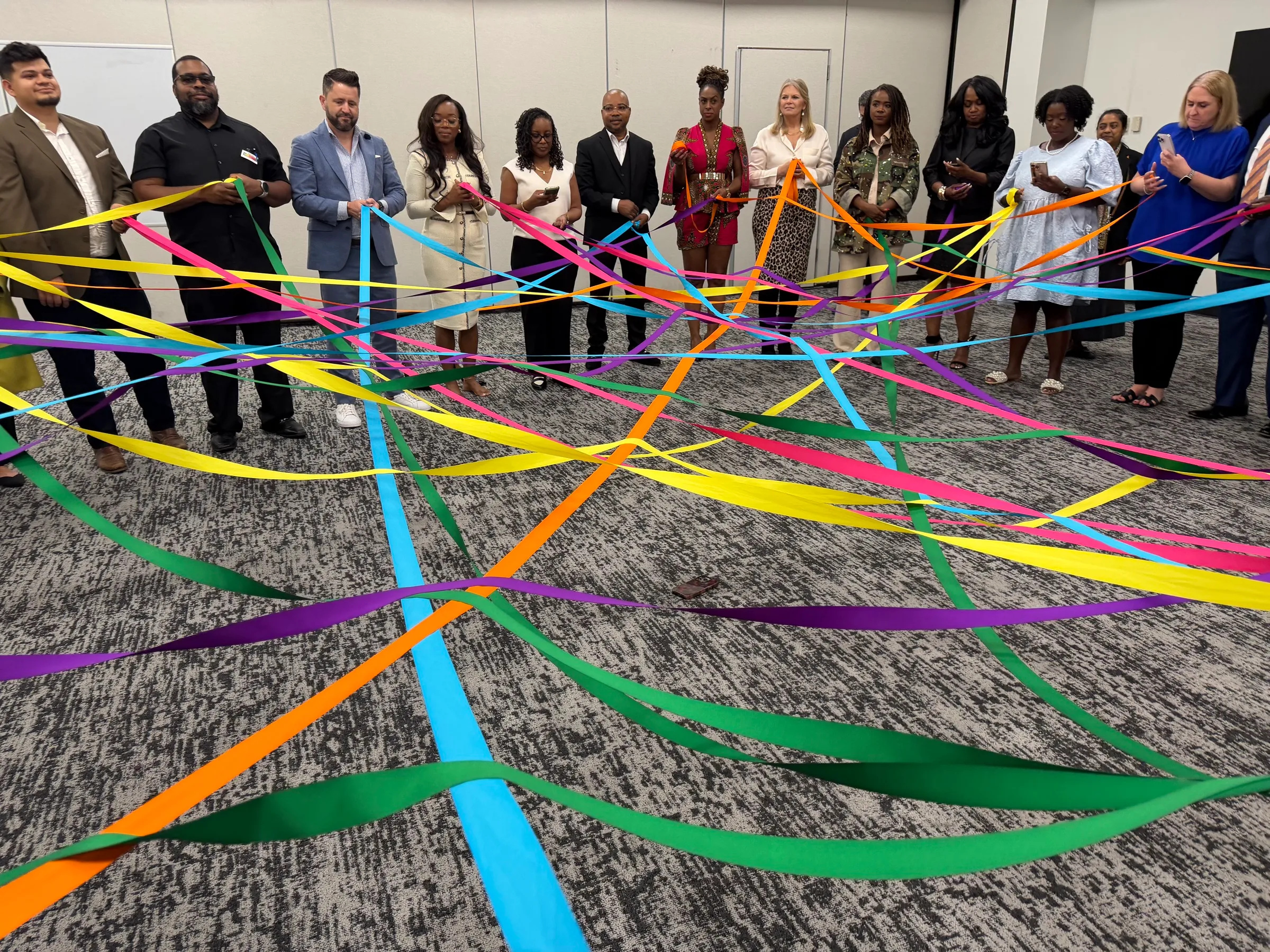
The uncomfortable part was noticing how quickly I could list what we do well, and how long it took me to name what we were missing. Strengths are easy. You practice them every day. Gaps are the things you have quietly worked around so many times that you stopped seeing them as gaps at all.
Boards do this too, and they do it faster, because leadership changes every year. Nobody quite owns sponsor renewals. The bylaws have not been opened since somebody’s second term. The member list has been “mostly fine” for three years and everyone assumes someone else is keeping an eye on it. None of that happens because people are careless. It happens because everyone is busy and volunteering their time on top of a full-time job.
So ask the question kindly and ask it out loud at your next board meeting. What are we not seeing right now? What have we worked around for so long that we forgot it was ever broken? Then write the answers down. Naming the gap is the hard part. Filling it is usually easier than anyone expects.
Count your processes
The next thing I came home with was a question I now ask constantly. How many processes do we actually have?
Not how many things do we do. How many are written down, repeatable, and not living inside one person’s head.
When you run one association, memory works fine. When you run more than seventy of them, anything that is not documented eventually breaks, and it never breaks at a convenient time. So the follow-up questions matter just as much as the first one. How do we build on this? How do we replicate it so it runs better for our team and better for our clients?
Try it on your own chapter. What happens when a new member joins? Who welcomes them, in what order, by when, and what do they actually receive? If the answer changes depending on who is sitting on the board this year, that is not a process. That is a habit. Habits are lovely, and they leave with the people who had them, and in our world people rotate out every single year.
Almost every chapter I know has three things running on habit right now. Renewals. Sponsor fulfillment. Welcoming new members. You do not have to fix all three. Pick one and write it down this quarter, and your successor will thank you for it.
Say what you are actually asking
This was my favorite part of the whole program.
Someone asked me how I communicate with my people. Is it clear? What exactly are you asking?
I thought about my team first. Then I thought about every volunteer ask I have ever watched a board make, and I winced a little.
“We would love to have you get more involved.” “Would you be willing to help with the golf tournament?” “Can you take the lead on membership?”
We mean well when we say those things. But none of them are really asks. They are invitations to guess. Someone says yes because they like you and they believe in the group, then they go quiet, and the board decides volunteers just are not as committed as they used to be. I do not think that is true. I think we hand people a blank page and then wonder why nothing gets written on it.
A real ask has five parts. What the job is. How many hours, honestly. Over how many months. When it ends. Who they call when they get stuck.
I would much rather someone tell me no to a clear ask than yes to a vague one. A no I can plan around. A quiet yes costs the chapter a whole season, and it usually costs us a volunteer who ends up feeling like they let everybody down.
Being specific is a kindness. Being vague only feels like one.
What happens next
I did lose facetime. I missed meetings I would rather have been in, and I will not pretend that was easy for someone who likes being in the room. But I came home with things I am already putting to work across every association we run, and that is the part nobody tells you going in. The lessons are not just for the business that sent you. Gaps, processes and clear asks map directly onto a volunteer board, and our clients are the ones who get the benefit.
So if you are sitting on the fence about something like this, take the jump. Your team is probably more ready than you think. And if they are not quite there yet, that is exactly the thing you needed to know.