Philanthropic Involvement: Making a Difference in Your Community

The Power of Nonprofit Involvement: Tips for Engaging in Community Service for Social Impact
Most people think charity is just about writing checks. But true change happens when you roll up your sleeves and get involved in community service. Your nonprofit involvement can spark social impact that goes beyond dollars—impact you can see and feel. Let’s explore how giving back through volunteering and cause marketing builds stronger communities and deeper connections.
A professional organization seeking to support a charity during the holiday season should begin by aligning its philanthropic efforts with its mission, values, and the interests of its members or employees. Conducting a brief needs assessment can help identify local nonprofits that address pressing community challenges, particularly those heightened during the holidays, such as food insecurity or housing instability. Organizations should engage stakeholders in the selection process to foster shared ownership and enthusiasm. Evaluating a charity’s transparency, impact metrics, and stewardship of resources ensures that contributions yield meaningful results. Once a partner is selected, the organization can collaborate on volunteer events, donation drives, or financial campaigns that leverage its professional strengths. A thoughtful approach creates a partnership that not only supports the community, but also enhances workplace morale and reinforces a collective commitment to social responsibility.
Why Nonprofit Involvement Matters
Beyond Financial Contributions
When we discuss philanthropy, many immediately think of financial donations. While charitable giving remains crucial for nonprofit work, the true essence extends beyond money.
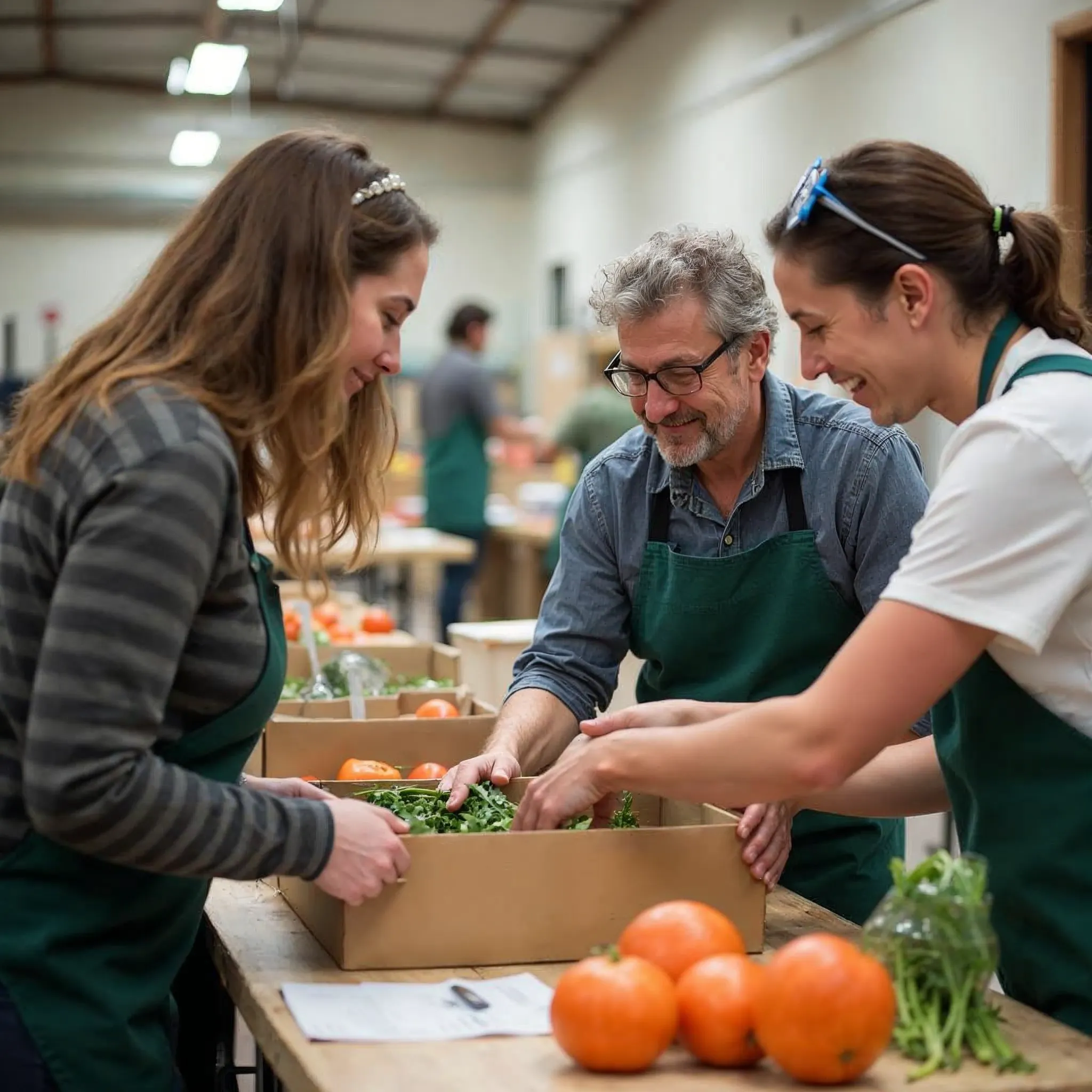
Money helps, but your time and skills may create deeper impact. Many nonprofits need hands-on support as much as funding. Your direct involvement brings fresh perspectives and specialized expertise that organizations might not afford otherwise.
What makes nonprofit involvement powerful is the personal connection. When you work directly with those in need, you gain firsthand understanding of community challenges. This personal experience often leads to more meaningful, targeted support that addresses root causes rather than symptoms.
Did you know 85% of volunteers say their experience made them more aware of community needs? This awareness typically sparks more sustained, thoughtful giving patterns compared to one-time donations.
The Ripple Effect of Giving
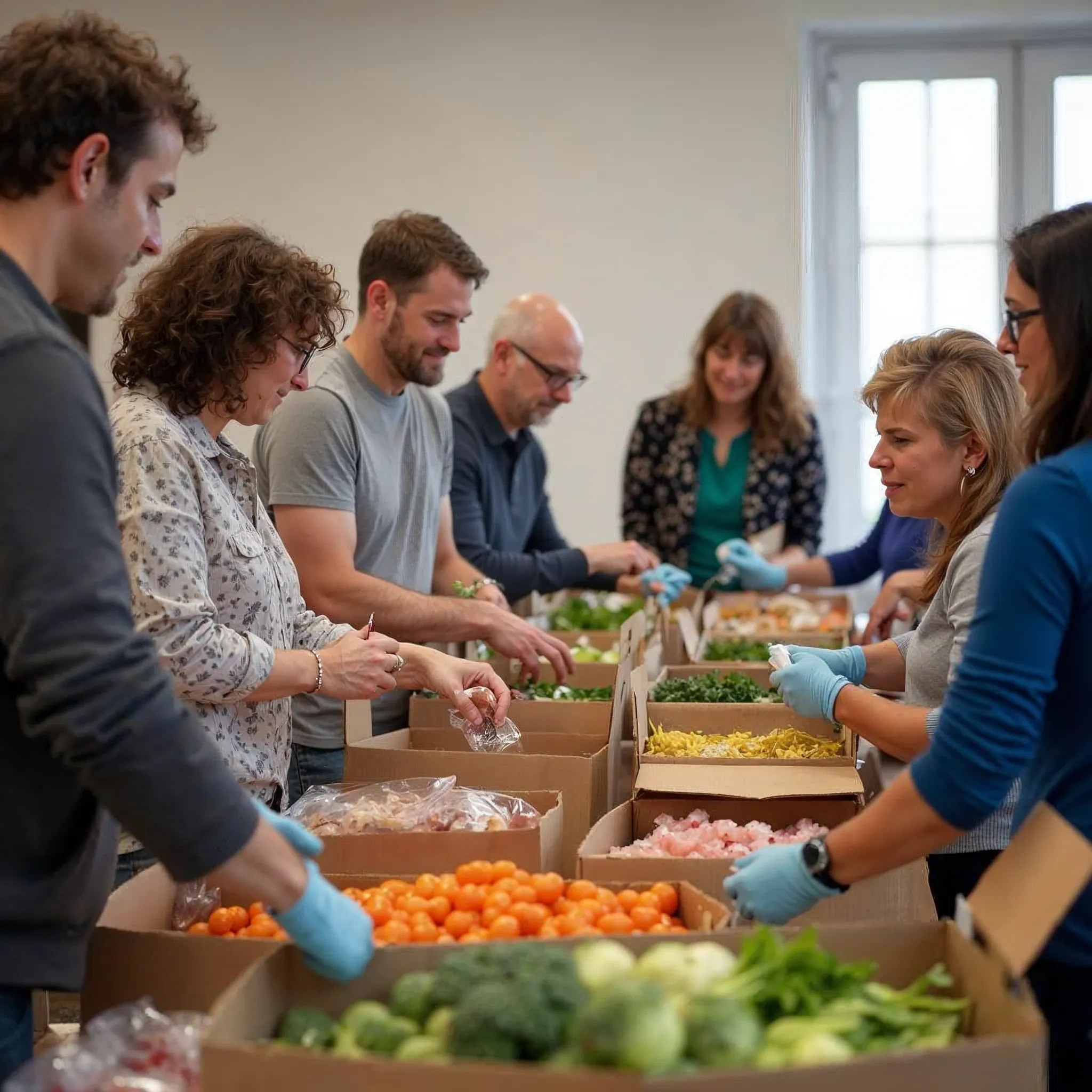
Your nonprofit involvement creates waves of positive change that extend far beyond the initial action. This ripple effect touches both communities and your personal growth.
For communities, your participation builds social capital—the networks and relationships that help societies function. When you volunteer at a food bank, you’re not just serving meals; you’re creating connections between people who might never otherwise meet.
On a personal level, nonprofit work builds skills that transfer to all areas of life. From project management to emotional intelligence, these experiences shape you. Many professionals credit volunteer work for developing leadership abilities that formal education never provided.
The health benefits might surprise you too. Regular volunteers report lower stress levels, decreased depression, and even longer lifespans than non-volunteers. Your body actually rewards you for helping others!
Making Strategic Charitable Choices
Smart giving multiplies your impact. Rather than spreading support thinly across many causes, focus your efforts where you can make the biggest difference.
Start by identifying causes that align with your values and skills. Are you passionate about education? Environmental protection? Health access? Your enthusiasm will fuel sustained involvement, preventing the burnout that affects many well-intentioned givers.
Research potential organizations thoroughly. Check their financial transparency, program effectiveness, and leadership structure. Websites like Charity Navigator and GuideStar provide helpful ratings, but also talk with current volunteers to get the inside story.
Consider your unique contribution. Beyond money, what skills, connections, or resources can you offer? Taproot Foundation helps match professionals with nonprofits needing specific expertise—from marketing to IT support. Your specialized knowledge might be worth far more than your financial donation.
Engaging in Community Service
The most effective community service happens when good intentions meet thoughtful action. Let’s explore how to create meaningful impact through direct involvement.
Volunteering for Social Impact
Volunteering transforms both communities and the volunteers themselves. The key lies in finding the right fit between your skills and community needs.
Start small but commit consistently. Even two hours weekly creates more impact than occasional marathon sessions. Nonprofits can plan better when they know they can count on you, and you’ll build deeper relationships through regular presence.
Match your skills with organizational needs. Are you a numbers person? Help with bookkeeping. Love teaching? Tutor students. Good with tools? Repair facilities. When you contribute what you’re best at, you multiply your impact while enjoying the work more.
Don’t overlook virtual volunteering options. Many organizations need help with tasks that can be done remotely—from grant writing to graphic design. This flexibility makes it possible to serve causes anywhere in the world, regardless of your location or schedule limitations. Anedot’s blog offers excellent ideas for both in-person and virtual community service.
Effective Donor Engagement
Building strong donor relationships requires more than sending thank-you notes. True engagement creates mutual value and lasting connections.
Start by treating donors as partners, not ATMs. Share specific stories about how their contributions make difference. When donors see the faces and names of those they’ve helped, their commitment deepens. This storytelling creates emotional investment that pure data cannot.
Create opportunities for donors to witness impact firsthand. Site visits, volunteer days, and meet-and-greets with program participants turn abstract concepts into tangible experiences. These moments often transform occasional givers into lifelong supporters.
Ask for feedback, not just funds. When donors feel their opinions matter, their investment grows beyond money. Simple surveys or coffee chats can yield valuable insights while strengthening relationships. Bonterra Tech offers excellent resources on using technology to enhance donor relationships without losing the personal touch.
Organizing Charity Events
Well-planned charity events create multiple benefits: raising funds, building awareness, and strengthening community bonds.
Start with clear goals beyond money. Are you trying to reach new supporters? Educate the public? Thank existing donors? These objectives should shape every aspect of your event, from venue to activities.
Create experiences that reflect your cause. A children’s literacy nonprofit might host a book-themed gala, while an environmental group could organize a nature walk fundraiser. This alignment makes your mission memorable and gives attendees something to talk about.
Recruit volunteers with specific skills for different aspects of the event. Someone with accounting background can manage finances, while a social media expert handles promotion. This division of labor prevents burnout and creates better results than having everyone do everything.
Don’t forget post-event follow-up. Share results, photos, and impact stories within days while enthusiasm remains high. This prompt communication sets the stage for future involvement and shows respect for participants’ contributions.
Building a Culture of Giving Back
Creating lasting change requires moving beyond individual actions to build communities where giving becomes the norm. This cultural shift multiplies impact exponentially.
Encouraging Community Participation
When entire communities embrace giving, the collective impact far exceeds what individuals could achieve alone. Building this culture requires intentional effort.
Start by making participation accessible to everyone. Not everyone can donate large sums or volunteer twenty hours weekly. Create varied opportunities that fit different schedules, abilities, and resources. Even small contributions matter when they come from many people.
Highlight local heroes who exemplify giving. These stories inspire others and create positive peer pressure. Feature these champions in community newsletters, social media, and public events to reinforce the message that generosity comes in many forms. Celebrate milestones and acknowledge collective achievements to build momentum. When people feel seen and valued for their contributions, they are more likely to stay engaged. Over time, these consistent practices cultivate a shared identity rooted in service, turning giving into a defining strength of the community.