Volunteer Engagement Strategies
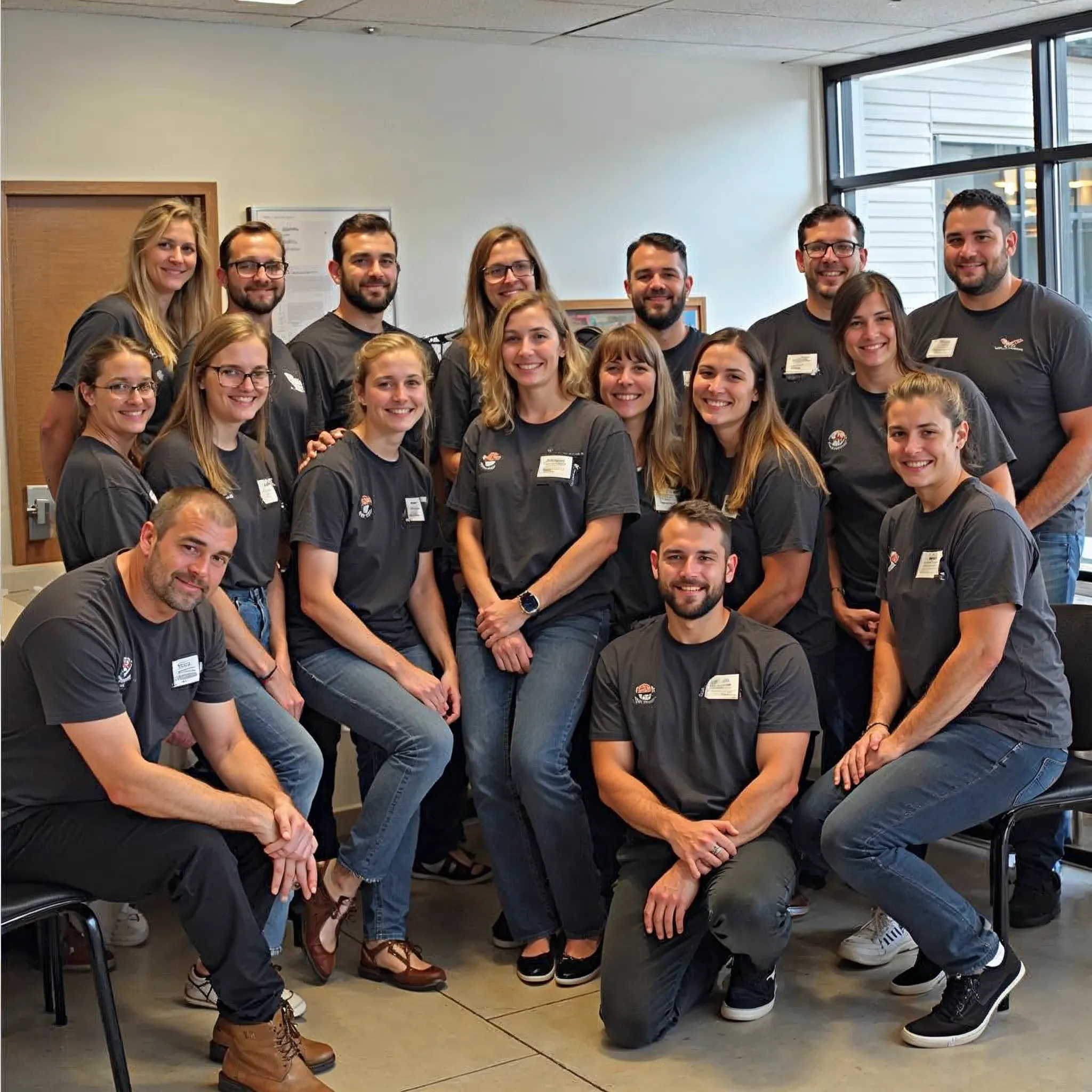
Nonprofit Volunteer Strategies: Creating a Sustainable Volunteer Program
You pour your heart into community outreach for volunteers, yet it feels like a revolving door. Volunteers come, but they don’t stay. You need a reliable system for building a volunteer pipeline that lasts. In this post, we’ll share nonprofit volunteer strategies that boost engagement and create a sustainable program. Say goodbye to constant turnover and hello to effective volunteering. Ready to transform your volunteer efforts? Let’s dive in.
Building a Strong Volunteer Pipeline
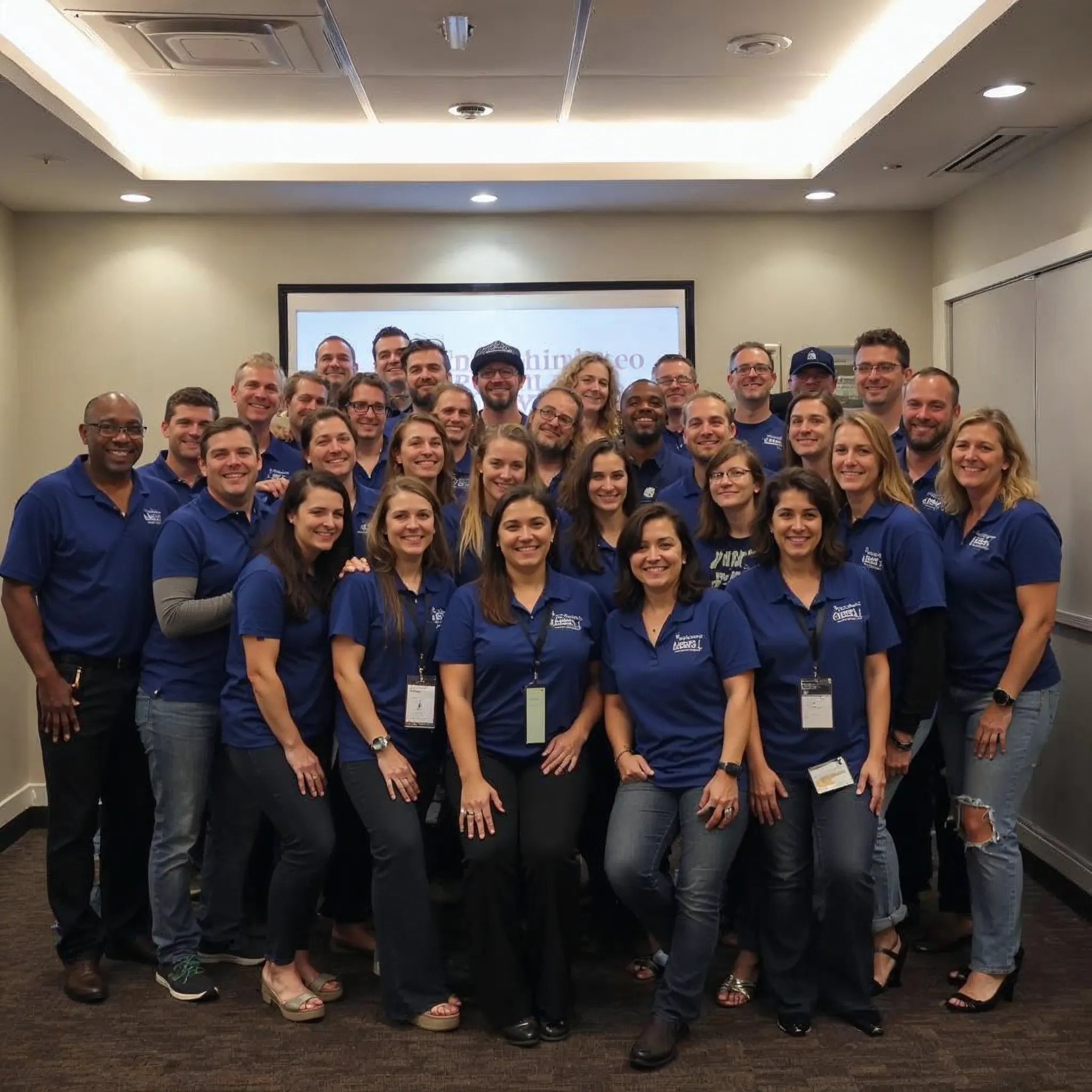
Building a strong volunteer pipeline is crucial for nonprofits to maintain a steady flow of dedicated individuals. This process involves identifying potential volunteers, creating recruitment plans, and leveraging community outreach. Let’s explore these key components.
Identifying Potential Volunteers
Identifying potential volunteers requires a strategic approach. Start by defining the skills and qualities your organization needs. This helps target individuals who align with your mission.
Consider creating volunteer personas to represent your ideal candidates. These personas can guide your recruitment efforts and help you tailor your messaging.
Look beyond traditional sources. Engage with local schools, businesses, and community groups. These connections can lead to a diverse pool of potential volunteers.
Creating Volunteer Recruitment Plans
A well-structured recruitment plan is essential for attracting and retaining volunteers. Begin by setting clear goals for your volunteer program. Define the number of volunteers needed and the roles they will fill.
Develop a compelling volunteer value proposition. Highlight the benefits of volunteering with your organization, such as skill development and community impact.
Create a variety of recruitment materials, including flyers, social media posts, and email campaigns. Tailor your message to different audiences and platforms for maximum reach.
Leveraging Community Outreach for Volunteers
Community outreach is a powerful tool for volunteer recruitment. Attend local events and fairs to showcase your organization and volunteer opportunities.
Partner with other nonprofits or businesses to cross-promote volunteer openings. This collaboration can expand your reach and attract individuals with diverse skills.
Use social media to share stories of current volunteers and the impact of their work. These authentic narratives can inspire others to get involved.
Enhancing Volunteer Engagement

Enhancing volunteer engagement is key to building a sustainable volunteer program. This section focuses on developing effective training, recognizing contributions, and encouraging feedback to create a positive volunteer experience.
Developing Effective Volunteer Training
Effective volunteer training sets the foundation for successful engagement. Start with a comprehensive orientation that introduces volunteers to your organization’s mission, values, and culture.
Provide role-specific training to ensure volunteers feel confident in their tasks. This can include hands-on practice, shadowing experienced volunteers, or online modules.
Offer ongoing learning opportunities to help volunteers grow their skills. This investment in their development can increase satisfaction and long-term commitment.
Recognizing and Rewarding Contributions
Recognition is vital for volunteer retention. Implement a formal recognition program that acknowledges volunteers’ efforts and impact.
Personalize your appreciation. Send handwritten thank-you notes or highlight individual achievements in your newsletter or social media.
Consider creating volunteer appreciation events or an annual awards ceremony. These celebrations can foster a sense of community and motivate continued involvement.
Encouraging Continuous Feedback
Continuous feedback helps improve your volunteer program and shows volunteers their opinions matter. Implement regular check-ins with volunteers to address any concerns or gather suggestions.
Use surveys or focus groups to collect structured feedback on specific aspects of your program. Act on this input to demonstrate responsiveness.
Create an open-door policy that encourages volunteers to share their ideas and experiences. This ongoing dialogue can lead to valuable insights and increased engagement.
Nonprofit Volunteer Strategies for Retention

Retention is a critical aspect of maintaining a strong volunteer base. This section explores strategies to keep volunteers engaged and committed to your organization long-term.
Establishing Clear Communication Channels
Clear communication is fundamental to volunteer retention. Develop a consistent system for sharing information, updates, and opportunities with your volunteers.
Use a mix of communication methods, such as email newsletters, text messages, or a dedicated volunteer portal. This ensures all volunteers can access information in their preferred format.
Be transparent about your organization’s goals, challenges, and successes. This openness builds trust and helps volunteers feel connected to your mission.
Providing Growth Opportunities
Offering growth opportunities keeps volunteers engaged and invested in your organization. Create a volunteer career path with increasing levels of responsibility.
Provide leadership roles for experienced volunteers, such as mentoring new recruits or leading specific projects. This recognition of their skills can boost motivation.
Offer skill-building workshops or training sessions that benefit both your organization and the volunteers’ personal development. This investment shows you value their growth.
Cultivating a Supportive Volunteer Culture
A supportive culture is essential for volunteer retention. Foster an environment where volunteers feel valued, respected, and part of a team.
Encourage social connections among volunteers through team-building activities or informal gatherings. These relationships can strengthen their commitment to the organization.
Address any conflicts or issues promptly and fairly. A positive volunteer experience depends on feeling supported and heard throughout their involvement.